Twice-Exceptional Awareness
Gifted
& Challenged
When extraordinary ability and neurodivergence coexist in the same mind, the world sees only half the story. We're here to illuminate the whole.
Scroll to explore
The Gifted Axis
Genius is not
the absence of struggle.
The same mind that can see patterns no one else can see may also process the world in ways no one else understands. Twice-exceptional means both are true — always.
The Spectrum Matrix
What is
Twice-Exceptional?
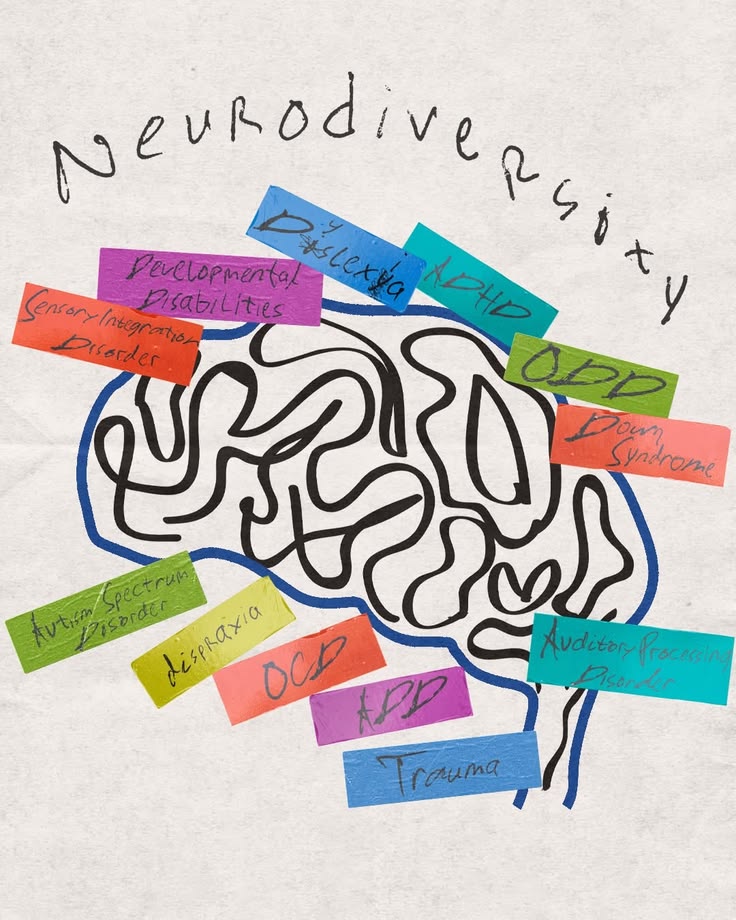
2e describes individuals who are both intellectually gifted and have one or more neurodivergent traits. Their strengths often mask their challenges — and their challenges often mask their strengths. Explore the intersections below.
The Lived Experience
Their stories are
not exceptions.
Gifted + ADHD
"I was the kid who read college textbooks at ten but couldn't remember to bring a pencil to class. Teachers called me 'lazy with potential.' Nobody understood that my brain was running a marathon in every direction at once."
— Maya, 24
Gifted + Autism
"My IQ qualified me for every advanced program. My sensory needs qualified me for none of them. I spent two decades thinking I was broken. Now I understand I was just built for a world that doesn't exist yet."
— Daniel, 38
Gifted + Dyslexia
"I can solve problems most adults can't even understand. But reading a paragraph out loud in class feels like translating a foreign language in real time. Being 2e means living in the gap between what people expect and what I need."
— Ava, 16
By The Numbers
The cost of
invisibility.
When neither the gift nor the challenge is fully seen, 2e individuals fall through every system designed to support them.
of students are estimated to be twice-exceptional
National Education Association
of 2e students go unidentified throughout their education
2e Research Institute
as likely to experience anxiety and depression vs. gifted peers
Journal of Advanced Academics
higher dropout rate among unidentified 2e students
Gifted Child Quarterly
Why This Exists
I was called
stupid my whole life.
I was bullied my entire life for being "stupid" and "ditsy." In reality, I was 2e — AuDHD. I hated school and graduated with a 2.7 GPA.
All throughout high school I was reading high-level philosophy books, creating business ventures, and walking into class after being truant all semester — only to get the highest grade in the room using pattern recognition.
The gaslighting — the distance between what I felt and who I was told I was — made me extremely depressed and anxious my entire life. I spent years believing the version of me that everyone else had decided on.
A diagnosis would have changed everything. Not as a label — as a map back to myself.
The Power of Knowing
Why a diagnosis
matters.
A diagnosis isn't a limitation. It's the language that finally makes your experience real — to yourself, to your family, and to the systems meant to support you.
It ends the gaslighting
When you know how your brain works, you stop measuring yourself against a standard you were never built for. The shame loses its grip.
It unlocks support
Accommodations, therapy, and educational support are gated behind a diagnosis. Without it, the door stays closed — no matter how much you need it.
It rewrites the story
Instead of 'lazy,' it's executive dysfunction. Instead of 'weird,' it's a different processing style. The narrative shifts from broken to understood.
What Comes Next
We hope to start
collecting donations.
Not yet — we're just beginning. But as we grow and bring more people on board, our goal is to raise funds for two things: spreading awareness so fewer people are misread the way I was, and helping people who need a diagnosis but can't afford one finally get one.
No one should spend their life believing they're broken simply because no one had the right words for them. That's the future we're building toward — together, in time.
Research Paper
Fuel, Rest,
and Regulation
How diet, sleep, and nervous-system care can help people living with neurodivergence — a research review and personal testimony by Valentina Geovanna, 2e AuDHD advocate and founder of The Neurodiverse Foundation.
Not medical advice. A combination of published research and lived experience, clearly labeled throughout.
Fuel, Rest & Regulation
PDF · 15 pages · The Neurodiverse Foundation, 2026